

Images are AI-generated editorial illustrations, not documentary photographs or verified product screenshots.
How to file taxes as a freelancer starts with accurate records
Learning how to file taxes as a freelancer is primarily a records and classification task, not a search for a single universal tax percentage. This US-focused guide explains the preparation process for federal filings. State and local requirements can differ, and business structures or individual circumstances may change which forms apply. Use current IRS instructions and a qualified tax professional for decisions about your own return.
Reconcile income before choosing forms
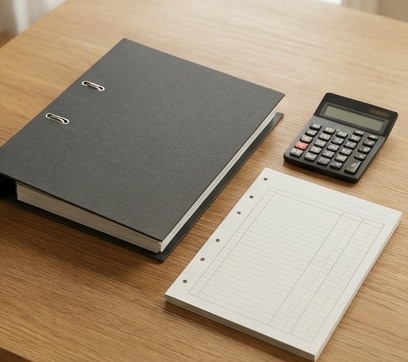
Gather invoices, platform statements, payment reports, bank activity and information returns. Reconcile differences such as fees, refunds, transfers and payments received outside a platform. Do not equate the absence of an information return with an automatic exemption from reporting income. Keep source documents and note unresolved discrepancies so a preparer can investigate them rather than forcing the figures to match a guessed total.

Separate business expenses from personal spending
Organize expenses by purpose and retain records showing the amount, date and business connection. Mixed-use costs need an appropriate allocation and supporting evidence; a payment from a business account is not automatically deductible. Keep assets, reimbursements and ordinary operating costs distinguishable. Avoid deleting records after importing them into bookkeeping software, because a summarized total may not explain the underlying transaction during review.
Understand the common federal filing path
The IRS explains that sole proprietors generally use Schedule C to report business profit or loss and Schedule SE for self-employment tax. Self-employment tax generally refers to Social Security and Medicare taxes, not all taxes owed. Filing requirements depend on the relevant rules and other circumstances. Verify the current tax-year instructions instead of treating an online calculator or a previous year’s return as the final authority.
Account for payments already made and upcoming duties
Collect records of estimated payments and withholding from any other employment. The IRS describes estimated tax as the method for paying applicable taxes when an employer is not withholding them from self-employed income. Ask the preparer how changes in earnings affect the current-year plan and whether information-return obligations arise from payments you made to others. Review the completed return, submission confirmation and payment instructions before storing the final records securely.
Common questions
Is freelance tax the same as self-employment tax? No; income tax and other obligations may also apply. Does every freelancer use exactly the same forms? No; entity treatment and individual facts matter. Should a freelancer wait until filing season to organize receipts? Regular reconciliation makes discrepancies easier to resolve and supports better planning.
Sources and further reading
irs.gov: self employed individuals tax center
Related reading
Choosing a Small Business Accountant: Questions Before You Hire
Income Tracking for Freelancers: What to Record Each Month
Estimate Self-Employment Taxes Without Confusing Them with Income Tax