


Images are AI-generated illustrations, not documentary photographs or product screenshots.
Staging environments: define the test purpose
Staging provides a place to examine changes before affecting ordinary users. Identify which routes, integrations and behaviors need verification. A copied site can help, but it does not automatically reproduce every production condition. State what the test can establish and what still needs a controlled check after release rather than presenting staging as a guarantee of safety.
Protect copied information
Use fictional, sanitized or appropriately authorized data and restrict access. A test environment can expose real customer records if copied carelessly. Review indexing and account permissions. A noindex preference is not sufficient access control for confidential material. Keep credentials limited and distinguish test accounts from production owners and administrator access.

Control external effects
Check mail, webhooks, payment gateways and connected services before running tests. A coming-soon page is not a payment sandbox. WooPayments documentation specifically recommends its test mode instead of live self-payments. Follow the actual provider’s supported procedure. Prevent unintended messages or transactions to real customers and do not assume a copied setting is harmless.
Verify meaningful scenarios
Test key user tasks and failure states, including permissions and integrations affected by the change. Keep a usable backup and approved rollback route. CISA emphasizes restoration testing, while WordPress discusses recovery scope. Record environment differences such as caching or provider configuration so a successful staging result is interpreted with the right limitations.
Release through an owned process
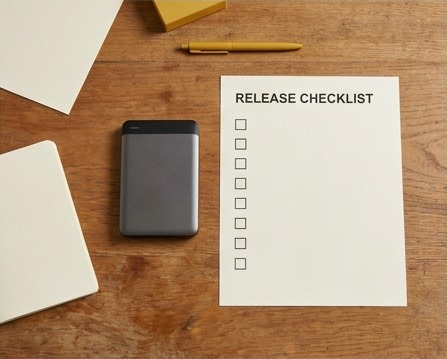
Document the change, approval, deployment and post-release checks. Remove obsolete fixtures and temporary access appropriately. Monitor for unexpected behavior without exposing private data. Staging is most useful as part of a repeatable change process; it cannot replace careful requirements, responsible production verification or ongoing maintenance.
Sources and further reading
WordPress: hardening and recovery
WooCommerce: testing WooPayments safely
CISA: small-business security and incident planning
Related reading
WooCommerce Launch Testing: Products, Cart, Checkout and Emails
Hiring a WooCommerce Developer: Define the Work Before the Quote