


Creating an Impressive Graphic Artist Portfolio PDF
A well-crafted portfolio not only displays your technical skills but also reflects your unique design perspective. It’s essential to view your portfolio as an evolving document that grows with your experience. The following sections will delve into the components, design tips, and presentation strategies essential for crafting a compelling portfolio, ensuring that it remains a true representation of your capabilities and aspirations.
Before diving into the creation process, it’s essential to understand what a graphic designer portfolio is and why it’s important. A portfolio is a collection of your best work that demonstrates your abilities, style, and experience. It serves as a visual resume, allowing potential clients or employers to see what you can do. Unlike a traditional resume, a portfolio offers a tangible representation of your work and design approach.
Your portfolio should not only highlight completed projects but also provide insights into your creative process. This means including aspects such as initial sketches, concept development, and final deliverables. By showcasing your workflow, you provide potential employers or clients a deeper understanding of your problem-solving skills and creative methodologies, making your portfolio a powerful tool in your professional arsenal.
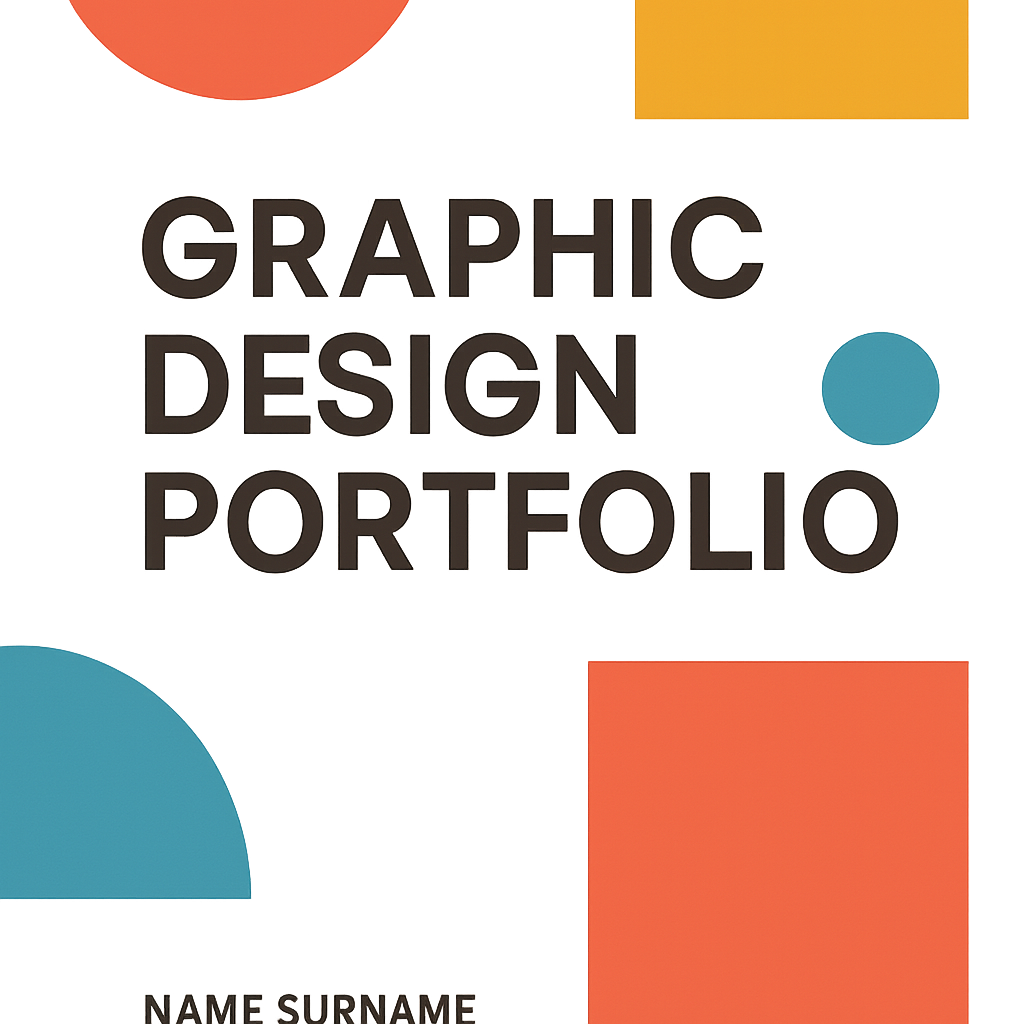
A PDF portfolio is one of the most popular formats for presenting your work. It’s versatile, easy to share, and maintains consistent formatting across different devices. When crafting a PDF portfolio, ensure that it’s visually appealing, easy to navigate, and succinctly showcases your work and skills. A well-designed PDF portfolio can be an effective tool during interviews, enabling you to provide a structured overview of your capabilities.
Additionally, a PDF portfolio offers the flexibility of being easily updated. As you complete new projects or refine existing ones, you can seamlessly integrate these updates into your PDF portfolio. This adaptability ensures that your portfolio always reflects your current skill level and design style, keeping it relevant for any opportunity that arises.
Key Components of a Successful Portfolio
Selecting Your Best Work
Your portfolio should contain your strongest work. Quality trumps quantity. Select projects that demonstrate a range of skills and styles, and that align with the type of work you want to do. If you’re aiming for a specific niche, such as logo design or web design, make sure those projects are prominent. This targeted approach not only showcases your expertise but also aligns your portfolio with your career goals.
Furthermore, consider the impact of each project within your portfolio. Highlight projects that have received recognition, whether through awards, client testimonials, or positive feedback. This can add credibility to your work and help differentiate you from other candidates. Remember, each piece should serve a purpose, either by demonstrating a specific skill or by reinforcing your overall design identity.
Structuring Your Portfolio
Organize your portfolio into clear sections. Common sections include:
- Introduction: A brief introduction about yourself, your background, and your design philosophy. This section should engage the reader and set the tone for the rest of your portfolio.
- Projects: A selection of your best work, with descriptions that provide context about each project. Include details such as the project objective, your role, challenges faced, and the final outcome.
- Contact Information: Make it easy for potential clients or employers to reach you. Include your email, phone number, and links to your professional social media profiles.
Consider adding an “About Me” section that delves deeper into your career journey. This can include your education, influences, and any significant milestones. Additionally, testimonials or client feedback can provide external validation of your skills, adding another layer of credibility to your portfolio.
Crafting an Engaging Introduction
Your introduction sets the tone for your portfolio. It should be concise yet informative. Explain who you are, your experience, and what you’re passionate about in design. This helps to create a personal connection with the viewer. A well-written introduction can captivate the reader and encourage them to explore your work further.
An engaging introduction should also reflect your personality and design philosophy. Consider including a brief anecdote or a personal insight that highlights your passion for design. This not only humanizes your portfolio but also makes it more memorable to potential clients or employers.
Showcasing a Variety of Work
A diverse range of work can demonstrate your versatility as a designer. Include different types of projects such as branding, web design, print work, and any other relevant areas. This variety can appeal to a broader audience and showcase your adaptability. Highlighting diverse projects can also demonstrate your ability to tackle various design challenges.
In addition to showcasing different types of work, consider the industries you have worked in. This can help potential clients or employers see how your skills translate across different sectors. Whether it’s corporate branding, fashion design, or digital media, diversity in your portfolio shows that you can cater to varied audiences and project demands.
Design Tips for a Professional Portfolio
Consistent Design and Branding

Your portfolio is a reflection of your design skills, so it should be professionally designed. Use a consistent color scheme, typography, and layout throughout your portfolio. This consistency will help create a cohesive look and feel. A well-branded portfolio not only showcases your attention to detail but also reinforces your design identity.
Moreover, consider how your personal brand is represented through your portfolio. Elements such as logo design, signature color palettes, and unique typography can make your portfolio distinct. Consistent branding ensures that your portfolio is immediately recognizable and leaves a lasting impression.
High-Quality Images
Ensure all images in your portfolio are high-quality. Blurry or pixelated images can detract from your work. Use high-resolution images to showcase the details and quality of your designs. This attention to quality reflects your professionalism and commitment to excellence.
Additionally, consider the composition and presentation of your images. Use mockups or real-life applications to give context to your designs, helping potential clients or employers visualize your work in practical scenarios. This can significantly enhance the impact of your portfolio.
Effective Use of White Space
White space, or negative space, is an important design element that can make your portfolio easier to read and navigate. It helps to focus attention on your work and prevents the layout from feeling cluttered. Strategically used white space can create a sense of balance and elegance in your design.
Furthermore, white space can enhance the overall aesthetic of your portfolio, making it appear more sophisticated. It allows your work to breathe, drawing the viewer’s eye to key elements and ensuring a pleasant viewing experience. Effective use of white space is a testament to your design acumen and understanding of visual hierarchy.
Presenting Your Portfolio Effectively
Creating a Digital Portfolio
In addition to a PDF, consider creating a digital portfolio on a website or platform like Behance or Dribbble. This provides another avenue for potential clients or employers to discover your work. Ensure your online portfolio is up-to-date and matches the quality of your PDF portfolio. An online presence can significantly increase your visibility and accessibility in the digital age.
Digital portfolios offer interactive elements that can enhance user engagement. Features such as animations, interactive galleries, and video content can provide a dynamic experience. These elements not only engage viewers but also demonstrate your proficiency with modern digital tools and platforms.
Making Your Portfolio Accessible
When sending your PDF portfolio, consider the file size. Large files may be difficult to email or download. Compress your PDF without losing quality to ensure it can be easily shared. Additionally, provide a link to your online portfolio for easy access. By making your portfolio easily accessible, you ensure that potential clients or employers can view it without technical hindrances.
Consider tailoring your portfolio for different formats and platforms. Whether it’s a downloadable PDF, an online portfolio, or a physical copy, each format has its advantages and should be optimized for its intended use. This adaptability ensures that you are prepared for various presentation scenarios.
Tips for Freelancers and Fresh Graduates
Tailoring Your Portfolio
If you’re a freelancer, tailor your portfolio for each client you pitch to. Highlight projects that are relevant to their industry or needs. For fresh graduates, emphasize any internships, freelance projects, or personal projects that showcase your skills. Customizing your portfolio can demonstrate your understanding of a potential client’s needs, increasing your chances of securing the project.
Moreover, consider the narrative your portfolio presents. Each tailored version should tell a story that aligns with the client’s brand or project objectives. This approach not only showcases your skills but also your ability to think strategically and align your work with client goals.
Including Personal Projects

by raf vit (https://unsplash.com/@lfgraf)
Personal projects can be a great addition to your portfolio. They show initiative, creativity, and passion for design. Include any self-initiated projects that demonstrate your ability to take a project from concept to completion. Personal projects can often reflect your most authentic style and vision, offering a glimpse into your creative potential.
These projects can also demonstrate your commitment to continuous learning and exploration within the field of design. They illustrate your willingness to experiment and challenge yourself, qualities that are highly valued in the creative industry. Including personal projects in your portfolio showcases your dedication to growth and innovation.
Real-World Examples
Looking at examples of successful portfolios can provide inspiration and insight. Here are a few things to consider:
- Graphic Design Portfolio Examples PDF: Look for PDFs that showcase a clear layout, strong visuals, and concise project descriptions. Analyze how these portfolios communicate the designer’s skills and achievements effectively.
- Best Graphic Designer Portfolio PDF: Study portfolios of well-known designers to see how they present their work and tell their story. Consider the unique elements that make these portfolios stand out and how they align with the designer’s personal brand.
Exploring a variety of portfolio examples can provide a wealth of ideas and perspectives. Each portfolio offers a different approach to storytelling, design, and presentation. By analyzing these examples, you can identify best practices and innovative strategies to incorporate into your own portfolio.
Conclusion
Creating an impressive graphic designer portfolio is an ongoing process. As you grow and complete more projects, update your portfolio to reflect your current skills and style. Remember, your portfolio is a powerful tool that can open doors to new opportunities. Keep it updated, polished, and reflective of your best work. Whether you’re aiming for a full-time position or freelance work, a strong portfolio is your gateway to success in the design world.
Stay committed to refining and evolving your portfolio. As the design industry continues to change, so should your portfolio. Embrace feedback, seek inspiration, and continuously strive to improve. Your portfolio is not just a collection of work; it’s a testament to your journey as a designer and a beacon for future possibilities.