

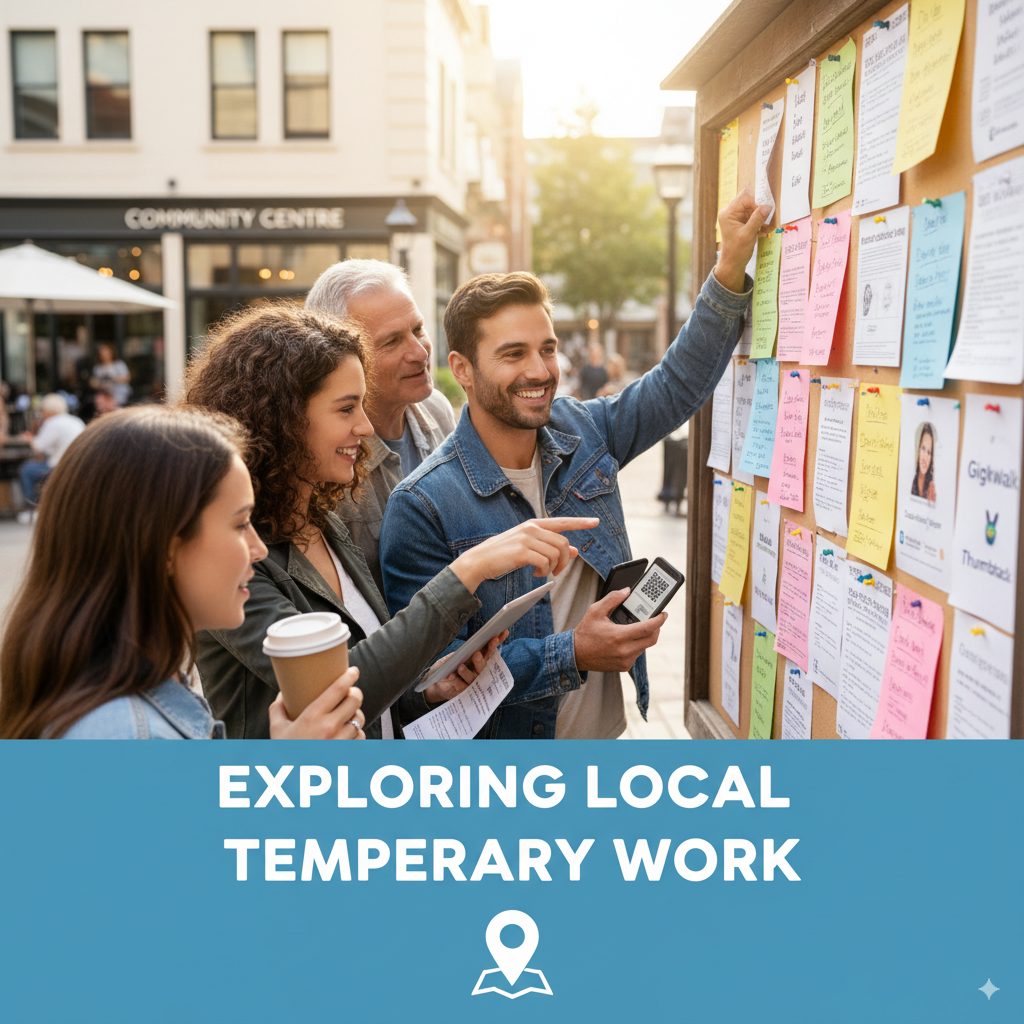
Maximizing Your Success in Local Temporary Work Opportunities
In today’s digital age, the opportunity to work as a freelancer has never been more accessible. With the rise of the gig economy, many professionals are exploring the flexibility and independence that come with freelance work. But how do you maximize your success in this realm? Let’s dive into the world of online freelancing and explore strategies that can set you up for success.
Freelancing offers a range of opportunities across various fields, from IT and design to writing and consulting. The key to succeeding as a freelancer is understanding where and how to find these opportunities. Numerous platforms cater to different needs and skill sets.
The freelance market encompasses an array of fields, each offering unique opportunities and challenges. Whether you’re a software developer, graphic designer, writer, or consultant, understanding your niche is critical. Each field has its specific demand, and knowing this can help tailor your approach to finding work.
In the tech industry, for instance, freelancing might involve coding for websites or developing apps. Designers, on the other hand, might focus on creating visual content or branding materials for businesses. Writers could engage in content creation, copywriting, or technical writing, depending on their expertise. By identifying your area of strength, you can hone in on the opportunities that best suit your skills.
The gig economy has shifted how professionals approach work, with freelancing becoming a popular choice for many. Understanding the gig economy’s dynamics is vital for freelancers. This economy is characterized by short-term engagements and flexible work arrangements, often facilitated through digital platforms.
Freelancers must learn to navigate this landscape by adapting to the ebb and flow of work availability. This might involve juggling multiple projects simultaneously or preparing for periods of low demand. Staying informed about industry trends and demand shifts can help freelancers maintain a steady stream of work.
Technology has played a pivotal role in the rise of freelancing, offering tools and platforms that connect freelancers with clients worldwide. The advent of high-speed internet and communication tools has made remote work more feasible than ever.
Freelancers should leverage technology to streamline their workflow. This includes using project management tools, communication apps, and cloud-based storage solutions to enhance productivity and collaboration. By embracing technology, freelancers can efficiently manage their projects and maintain seamless communication with clients, regardless of location.
Several online platforms are designed specifically for freelancers. These platforms connect freelancers with clients looking for specific skills. Here are some of the best freelancing sites to consider:
Several major platforms have become go-to sources for freelancers seeking work. Each platform offers unique features catering to different types of freelancers and industries. Understanding the strengths of each can help you decide which platform aligns with your goals.
- Upwork: A versatile platform with jobs in writing, design, IT, and more. Upwork allows freelancers to showcase their skills, bid on projects, and build long-term relationships with clients. It’s an excellent place for freelancers looking to establish a steady stream of work across diverse fields.
- Fiverr: Known for quick gigs where freelancers can offer services starting at $5. Fiverr allows freelancers to create “gigs” that clients can purchase directly, making it ideal for those who want to offer specific, quick-turnaround services. This platform is particularly popular among creative professionals.
- Freelancer.com: Offers a wide range of freelance jobs worldwide. Freelancer.com caters to a global audience, providing opportunities for freelancers to work with clients from different countries and industries. It’s a platform that encourages competition through bidding, which can be both challenging and rewarding.
- Toptal: Targets top-tier freelancers in software development, design, and finance. Toptal is highly selective, accepting only the top 3% of applicants. This platform is ideal for freelancers with specialized skills and a proven track record of excellence.
Beyond the major platforms, numerous niche sites cater to specific industries or skill sets. These platforms often offer more targeted opportunities, allowing freelancers to connect with clients who need their expertise.
For instance, 99designs is a platform focused on design projects, while ProBlogger caters to writers looking for blogging opportunities. Behance and Dribbble are excellent for creatives seeking design and artistic projects. By identifying niche platforms relevant to your skills, you can access a more specialized client base.
When choosing a freelancing platform, consider the features and benefits each offers. Some platforms provide project management tools, while others offer payment protection or dispute resolution services. Understanding these features can help you select a platform that aligns with your needs.
Additionally, consider the platform’s fee structure. Some platforms charge a percentage of your earnings, while others may have a subscription model. Weigh these costs against the benefits to ensure you’re maximizing your earnings while accessing valuable opportunities.
While platforms are a great starting point, they are not the only way to find freelance work. Networking and leveraging social media can also be effective strategies. Consider these approaches:
Social media platforms like LinkedIn, Twitter, and Instagram offer powerful tools for freelancers to showcase their skills and connect with potential clients. By building a strong online presence, freelancers can attract clients and create opportunities beyond traditional platforms.
LinkedIn is particularly valuable for professionals seeking to connect with industry peers and potential clients. By regularly updating your profile, sharing industry insights, and engaging with relevant content, you can position yourself as a thought leader in your field.
Attending networking events, both virtual and in-person, can significantly expand your freelance opportunities. These events provide a platform to meet potential clients, industry leaders, and fellow freelancers, fostering connections that can lead to future collaborations.
Consider joining industry-specific groups or associations that host regular events. By actively participating in these communities, you can stay informed about industry trends and position yourself for upcoming opportunities. Remember, successful networking is about building genuine relationships, not just seeking immediate work.
A personal website serves as a digital portfolio and a central hub for showcasing your work. It’s a space where you can highlight your skills, share client testimonials, and provide contact information for potential clients to reach you directly.
Investing in a professional website can set you apart from other freelancers. Ensure your site is visually appealing, easy to navigate, and regularly updated with your latest projects. A well-maintained website can attract clients and serve as a testament to your professionalism and expertise.
One of the biggest challenges for new freelancers is the competitive nature of bidding for jobs. Luckily, there are ways to find freelance and gig jobs online that do not require bidding or proposals.
Some platforms allow freelancers to post their services for clients to purchase directly, eliminating the need for bidding. Websites like Fiverr and PeoplePerHour operate on this model, allowing freelancers to set their prices and offer specific services.
By offering predefined services, freelancers can streamline their workflow and focus on delivering quality work. This model is particularly beneficial for freelancers with specialized skills who can clearly define their offerings and pricing.
Freelancers can increase their appeal by creating value-driven packages that bundle services together. By offering packages, clients can see the tangible benefits of working with you, and you can increase your earnings by upselling additional services.
Consider what complementary services you can offer and how you can present them as a cohesive package. This strategy not only differentiates you from competitors but also showcases your ability to deliver comprehensive solutions.
Gaining positive reviews is crucial for success in a non-bidding model. Encourage satisfied clients to leave reviews and testimonials, as these can significantly impact your credibility and attractiveness to potential clients.
Respond to feedback professionally, demonstrating your commitment to client satisfaction and improvement. Over time, a strong portfolio of positive reviews can enhance your reputation, leading to increased trust and opportunities.
Succeeding in the freelance world requires more than just finding the right platforms. Here are some tips to help you thrive:
A strong portfolio is essential for showcasing your skills and attracting clients. Include examples of your best work and ensure that your portfolio reflects the services you offer.
Select projects that highlight your versatility and expertise, demonstrating your ability to meet diverse client needs. Regularly update your portfolio with new work to reflect your ongoing growth and development as a freelancer. A well-curated portfolio can be a powerful tool in convincing potential clients of your capabilities.
Determining how much to charge can be tricky. Research industry standards and factor in your experience and the complexity of the work. It’s important to set rates that are competitive but also reflect the value of your work.
Consider offering tiered pricing based on project complexity or client needs. This approach allows you to cater to a wider range of clients while ensuring you’re compensated fairly for more demanding projects. Transparent pricing builds trust with clients and sets clear expectations from the outset.
Freelancing requires excellent time management skills. Use tools like calendars and project management apps to keep track of deadlines and manage your workload effectively.
Prioritize tasks based on urgency and importance, and allocate dedicated time blocks for focused work. Break larger projects into manageable tasks to prevent overwhelm and maintain consistent progress. Effective time management ensures you meet deadlines and deliver high-quality work.
Clear communication with clients is crucial. Be responsive and proactive in your communications. Setting expectations early can help prevent misunderstandings and ensure smooth project execution.
Regularly update clients on project progress, addressing any concerns or changes promptly. Active listening and asking clarifying questions can help ensure you fully understand client needs and expectations. Strong communication builds trust and fosters long-term client relationships.
Working as a freelancer often means working remotely. This flexibility is one of the biggest draws of freelancing. It allows you to work from anywhere, whether from home, a coffee shop, or while traveling as a digital nomad.
The freedom to work from anywhere is appealing to many freelancers. If you plan to embrace the digital nomad lifestyle, ensure you have reliable internet access and the necessary tools to stay connected with clients.
Research destinations that offer co-working spaces or digital nomad communities for networking and support. Plan your travel schedule around time zones to manage client meetings effectively. By preparing for the challenges of nomadic work, you can enjoy the benefits of exploring new places while maintaining your freelance career.
Remote work offers the opportunity to balance professional responsibilities with personal life. This balance is crucial for maintaining mental and physical well-being, leading to increased productivity and job satisfaction.
Set boundaries to separate work and personal time, and establish a routine that accommodates both. Regular breaks and physical activity can enhance focus and prevent burnout. By prioritizing work-life balance, freelancers can sustain long-term success and fulfillment.
A dedicated workspace is essential for remote work success. Whether you’re at home or on the go, creating an environment that fosters focus and productivity is crucial.
Invest in ergonomic furniture and equipment that support your work needs. Minimize distractions by setting up your workspace in a quiet area with adequate lighting. A well-organized workspace can enhance your efficiency and contribute to the quality of your work.
Freelance work is not limited by geography. Many platforms offer international freelance jobs, allowing you to work with clients worldwide. This global reach can open up more opportunities and diversify your client base.
When working with international clients, be mindful of time zones and cultural differences. Flexibility and adaptability are key to successfully managing international projects.
Communicate clearly about deadlines and expectations, accounting for time zone differences in your planning. Respect cultural nuances in communication and project execution to build strong relationships with international clients. By embracing diversity, freelancers can access a broader range of opportunities and insights.
Staying informed about global market trends can enhance your competitive edge as a freelancer. Understanding international demand for your skills allows you to tailor your services to meet emerging needs.
Participate in global industry discussions and forums to gain insights into market developments. By adapting your offerings to align with global trends, you can position yourself as a forward-thinking freelancer capable of meeting diverse client needs.
Working with clients from different countries and industries can enrich your freelancing experience. A diverse client base offers exposure to varied projects and perspectives, enhancing your skills and adaptability.
Leverage your global network to seek referrals and recommendations, expanding your reach and opportunities. By embracing diversity, you can cultivate a client portfolio that reflects a wide array of industries and cultures.
With so many platforms available, choosing the right one can be overwhelming. Consider the following factors:
Research the platform’s reputation and reviews from other freelancers. A platform with a strong reputation is more likely to offer reliable opportunities and support.
Read testimonials and feedback from other freelancers to gauge their experiences. Look for platforms with a track record of positive interactions and successful project completions. A reputable platform can provide a stable foundation for your freelance career.
Understand the fees and charges associated with using the platform. Some platforms charge a commission on earnings, while others may require a subscription fee.
Calculate the total cost of using the platform and weigh it against the benefits it offers. Consider whether the platform’s features justify the fees, and choose one that aligns with your budget and goals. Transparent fee structures can help you manage your finances effectively.
Look for platforms that offer resources and support to help freelancers succeed. This might include educational content, community forums, or customer support services.
Access to resources can enhance your skills and knowledge, enabling you to deliver better results for clients. A platform that invests in freelancer success demonstrates a commitment to fostering a thriving freelance community.
Maximizing your success in online freelance work requires a combination of finding the right opportunities, building a strong professional presence, and honing your skills. Whether you’re looking for freelance IT work online, writing gigs, or design projects, the key is to stay proactive and continuously seek out new opportunities. By leveraging the best freelancing sites, networking effectively, and maintaining a high level of professionalism, you can build a thriving freelance career that offers both flexibility and fulfillment.
Freelancing offers the freedom to shape your career on your terms, but success requires dedication, adaptability, and a commitment to ongoing learning. By embracing the tools and strategies outlined in this guide, you can navigate the dynamic world of freelancing with confidence and achieve your professional goals.