


Essential Vehicle Sales Receipt Template for Dealers
In the fast-paced world of car dealerships, keeping track of sales and transactions is crucial. A well-structured car invoice template simplifies this process, ensuring all necessary details are documented, and transactions are transparent. Whether you’re handling new vehicles, used cars, or even rental and auto parts, a comprehensive invoice template is an indispensable tool for your business.

Understanding the Importance of a Car Invoice Template
A car invoice template serves as an official record of the sale, providing details about the transaction between the dealer and the customer. This document is not only vital for bookkeeping but also serves as proof of purchase, ensuring both parties are clear on the terms of the sale. Let’s delve into why a well-designed invoice is essential:
Legal Compliance and Record Keeping
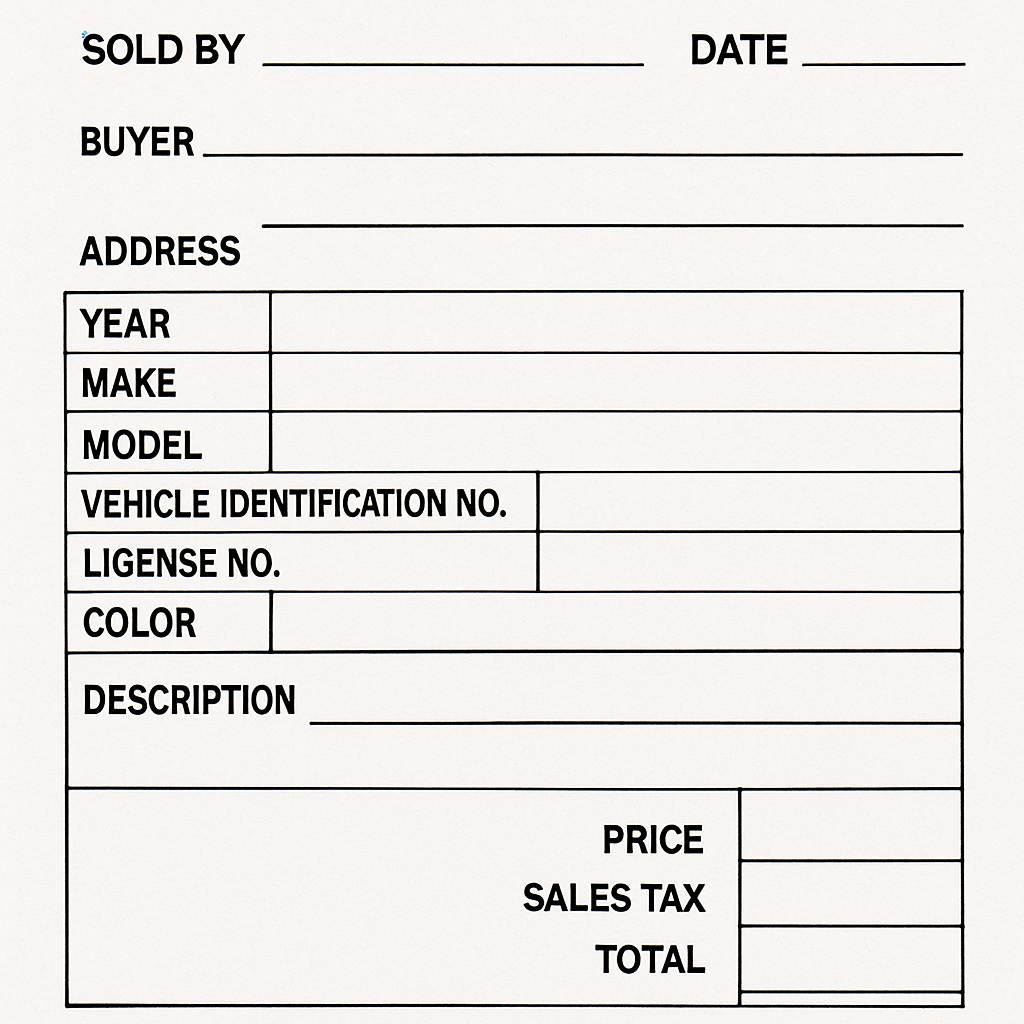
Car invoices play a critical role in maintaining compliance with legal standards. They detail the transaction, including vehicle identification numbers (VIN), make and model, sales price, and any applicable taxes or fees. This information is crucial for audits and any potential legal disputes.
Ensuring Transparency and Trust
A clear and detailed invoice fosters trust between the buyer and the dealer. It outlines all aspects of the sale, ensuring there are no hidden fees or misunderstandings. This transparency is key in building long-term relationships with customers.
Streamlining Business Operations
An efficient invoice system helps streamline your dealership’s operations. It reduces administrative tasks and errors, allowing your team to focus on what they do best – selling cars and providing excellent customer service.
Key Elements of a Car Invoice Template
Creating an effective car invoice template involves including several key elements. These components ensure the invoice is comprehensive and useful for both the dealer and the customer.
Basic Information
The invoice should begin with basic information about the dealership, including:
- Dealership name
- Address
- Contact information
- Logo (if applicable)
This section establishes the dealer’s identity and provides contact details for any follow-up questions or concerns.
Buyer and Vehicle Details
Next, the invoice should detail information about the buyer and the vehicle being sold:
- Buyer’s full name and contact information
- Vehicle identification number (VIN)
- Make, model, and year of the vehicle
- Mileage (for used cars)
Sales Details
This section outlines the financial aspects of the transaction:
- Sale price of the vehicle
- Any applicable discounts or trade-in values
- Taxes, fees, and other charges
- Total amount due
- Payment method and terms
Additional Features or Services
If the sale includes additional features or services, such as extended warranties, service packages, or accessories, these should be itemized in the invoice. This ensures the buyer is fully aware of what they’re purchasing.
Terms and Conditions
Include any terms and conditions related to the sale. This might cover return policies, warranty information, or conditions of sale. Clear terms protect both parties and minimize the risk of disputes.
Signature and Date
Finally, the invoice should include spaces for signatures from both the buyer and the seller, along with the date of the transaction. This formalizes the agreement and provides a clear record of when the sale occurred.
Types of Car Invoice Templates
Different types of car sales require different invoice templates. Here are some examples:
New Car Sales
For new car sales, the invoice should focus on the vehicle’s base price, any manufacturer incentives, and additional dealer fees.
Used Car Sales
Used car invoices should include details about the vehicle’s condition, mileage, and any warranties or service agreements.
Car Rental Invoices
Rental invoices need to specify the rental period, daily rates, mileage limits, and any additional charges for insurance or damage.
Auto Parts Sales
For auto parts, the invoice should list each part, along with its price, SKU, and any applicable taxes or shipping fees.
Car Transport Services
Invoices for car transport should include pickup and delivery locations, transportation fees, and any insurance or handling charges.
Creating and Customizing Car Invoice Templates
Creating a car invoice template can be done using various tools. Here are some popular options:
Microsoft Word and Excel
Microsoft Word and Excel offer flexible options for creating customized invoices. Excel, in particular, is useful for calculating totals and taxes automatically.
Invoice Generators
Online invoice generators provide easy-to-use templates that can be customized to fit your dealership’s needs. These tools often include features for saving and sending invoices electronically.
Dealership Management Software
Many dealership management systems include built-in invoice templates, streamlining the process and integrating with other dealership operations.

by Claudio Schwarz (https://unsplash.com/@purzlbaum)
Best Practices for Using Car Invoice Templates
To make the most of your car invoice templates, consider these best practices:
Keep Templates Updated
Regularly review and update your templates to ensure they meet current legal requirements and reflect any changes in your dealership’s policies.
Train Your Team
Ensure your sales and administrative teams are trained in using the templates effectively. This minimizes errors and ensures consistency.
Use Digital Invoices
Whenever possible, use digital invoices to streamline processes and reduce paper waste. Digital invoices can be easily stored, shared, and retrieved.
Incorporate Feedback
Regularly gather feedback from your team and customers on the invoice process. Use this feedback to make improvements and enhance the customer experience.
Conclusion
A well-crafted car invoice template is a critical tool for any dealership. It ensures transparency, legal compliance, and efficient operations. By including all necessary details and using modern tools to create and manage invoices, you can enhance your dealership’s professionalism and customer satisfaction.
Incorporate these insights into your dealership’s invoice process to ensure that every transaction is smooth, clear, and beneficial for both your business and your customers.