


Understanding Invoice Words with the Letters Invoice Terminology and Usage
In the world of business, invoices are fundamental tools for ensuring smooth transactions between buyers and sellers. While they might seem straightforward, understanding the terminology and usage associated with invoices is crucial for effective financial communication. This guide will help you navigate the world of invoices with ease, whether you’re a business owner, accountant, or simply someone looking to enhance your financial literacy.
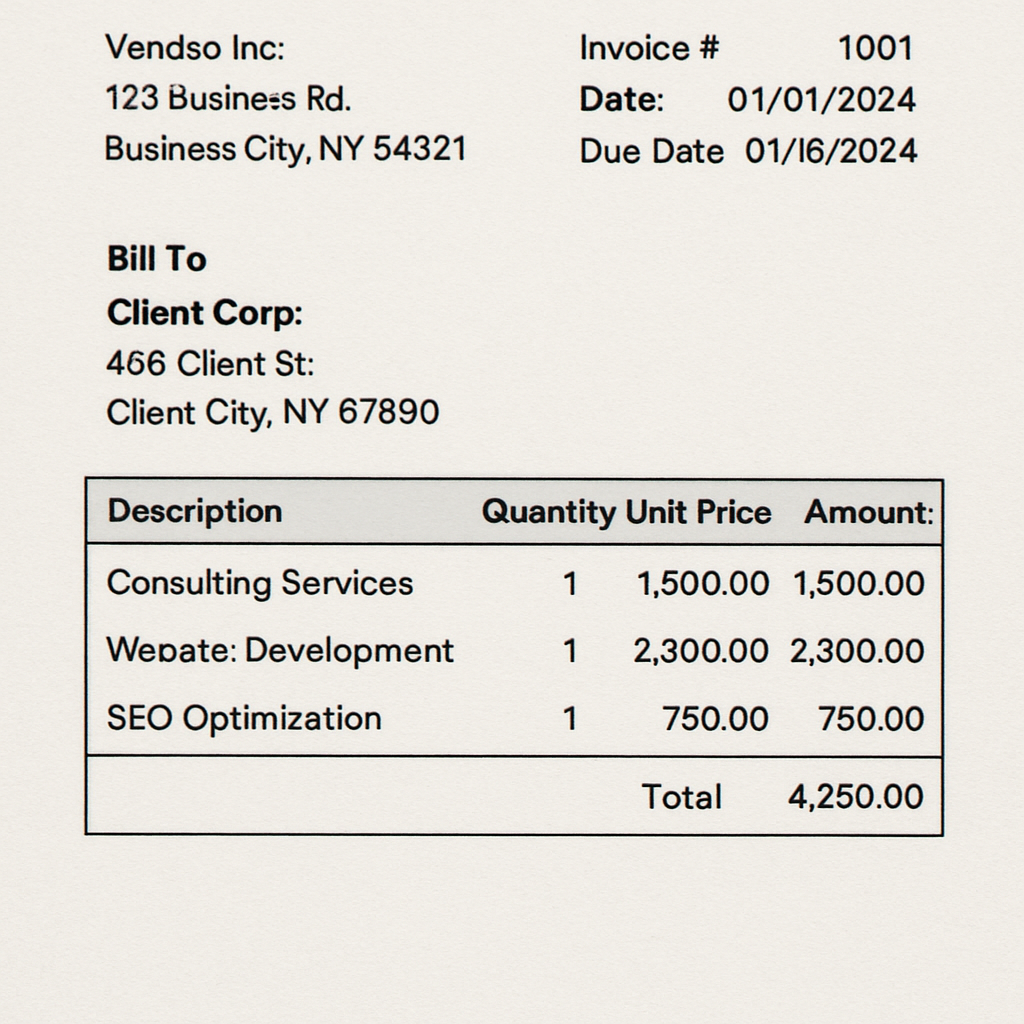
An invoice is a document that a seller issues to a buyer, detailing goods or services provided, along with the amount due for payment. It acts as a request for payment and includes essential details that help both parties keep track of the transaction.
Key Components of an Invoice
To fully grasp invoice usage, it’s essential to know the key components that make up this document. Here’s a breakdown:
- Header: Typically includes the word “Invoice” and an invoice number for tracking.
- Seller Information: Name, address, and contact details of the entity issuing the invoice.
- Buyer Information: Name, address, and contact details of the recipient.
- Invoice Date: The date the invoice is issued.
- Due Date: The date by which payment should be made.
- Description of Goods/Services: A detailed list of what was provided, including quantities and unit prices.
- Subtotal: The total cost before taxes and additional charges.
- Taxes: Any applicable taxes, such as sales tax.
- Total Amount Due: The full amount the buyer must pay, including taxes.
Invoice Language and Terminology
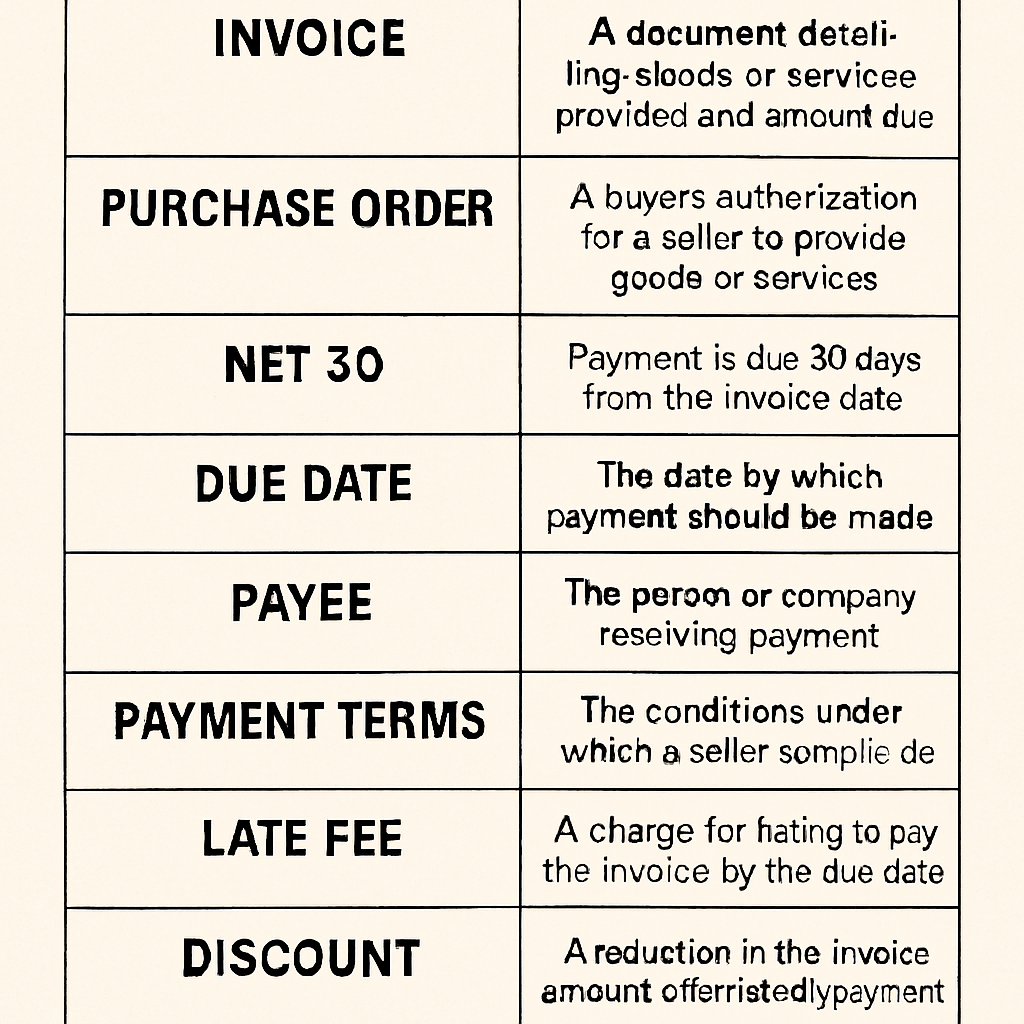
Understanding invoice language is key to ensuring clarity and avoiding misunderstandings. Here are some common terms you might encounter:
Invoice Terms
- Net 30/60/90: Indicates that payment is due within 30, 60, or 90 days of the invoice date.
- FOB (Free On Board): Indicates when the ownership of goods transfers from seller to buyer.
- PO (Purchase Order) Number: A unique number associated with the buyer’s order for the seller’s reference.
- Remittance Address: The address where payment should be sent.
- Line Item: Each individual product or service listed on an invoice.
Invoice Vocabulary
- Credit Memo: Issued when a refund or credit is given to the buyer.
- Debit Note: A document sent to a seller to request a credit note.
- Proforma Invoice: A preliminary invoice sent before delivery of goods.
- Recurring Invoice: An invoice sent at regular intervals for ongoing services.
- E-Invoice: An electronic version of a paper invoice, often used in digital transactions.
Invoice Phrases
- “Due Upon Receipt”: Indicates immediate payment is expected.
- “Discount Terms”: Details any discounts for early payment.
- “Terms and Conditions”: Legal terms related to the transaction.
Common Mistakes in Invoice Communication
Miscommunication in invoices can lead to delays in payment and strained business relationships. Avoid these common pitfalls:
Incomplete Information
Missing details such as invoice numbers, dates, or descriptions can cause confusion. Always ensure all necessary fields are filled out.
Incorrect Calculations
Errors in math, like incorrect subtotals or tax calculations, can lead to disputes. Double-check your figures before sending out an invoice.
Unclear Payment Terms
Ambiguity in payment terms can lead to late payments. Make sure terms are clearly stated and easily understood.
Tips for Effective Invoice Communication

by ABEL MARQUEZ (https://unsplash.com/@abelmarquez)
- Be Clear and Concise: Use straightforward language and avoid jargon to ensure your invoice is easily understood.
- Include All Necessary Details: Ensure every invoice has complete and accurate information.
- Use Consistent Formatting: Keeping a uniform format helps with organization and readability.
- Follow Up: If payment isn’t received by the due date, send a polite reminder to the buyer.
Words with the Letters “Invoice”
Exploring words that contain the letters “invoice” can be a fun way to enhance your vocabulary. Here are some examples:
- Invoice
- Voice
- Coin
- Nice
- Convince
Words That Rhyme with “Invoice”
Though not directly related to invoice terminology, knowing rhyming words can be useful for creative tasks such as writing catchy slogans or crafting memorable marketing materials. Some examples include:
- Choice
- Rejoice
- Voice
Conclusion
Understanding invoice terminology and usage is essential for successful financial transactions. By familiarizing yourself with common terms, avoiding mistakes, and following best practices, you can ensure efficient invoice communication. Whether you’re sending or receiving invoices, clarity and attention to detail will always be your best tools for successful business dealings.
In the ever-evolving business landscape, mastery of invoice vocabulary and communication not only enhances your professional credibility but also fortifies relationships with clients and partners. With this guide, you’re well on your way to becoming an invoice expert.